
Kidney stones affect millions worldwide, causing severe pain and potential complications. Dr. Maharajh offers comprehensive stone management, from acute treatment through to prevention of recurrence
Kidney stones form when minerals and salts crystallise in the kidneys. They vary in size from tiny grains to large stones that can block urine flow. With proper treatment and prevention strategies, most patients can avoid recurrent stones and complications.
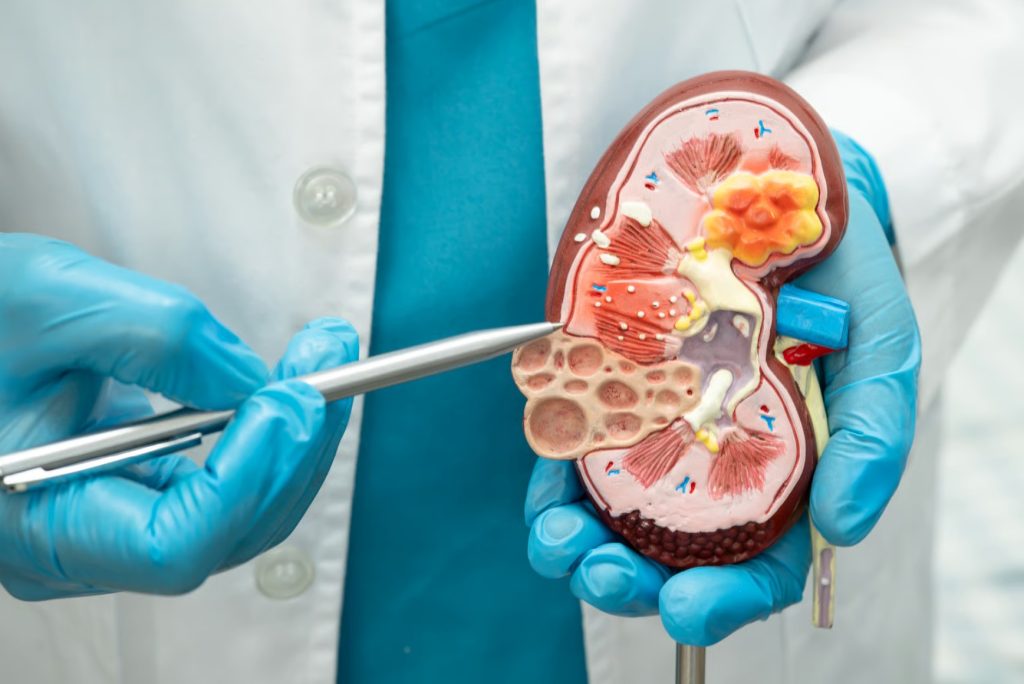
Kidney stone pain is often described as the worst pain imaginable, typically starting in the back and radiating to the groin. However, with proper pain management including anti-inflammatories and sometimes stronger medications, we can control the pain effectively whilst treating the stone.
Not necessarily. Stones smaller than 5mm often pass naturally with medical support. Larger stones may require intervention, but modern treatments like shock wave therapy or ureteroscopy are minimally invasive with quick recovery times.
Yes, up to 50% of recurrent stones can be prevented through dietary changes, increased fluid intake, and sometimes medications. After analysing your stone composition and metabolism, Dr. Maharajh will create a personalised prevention plan.
Small stones typically pass within 1-2 weeks with medical support. Stones 5-10mm may take longer or require intervention. We'll monitor your progress and intervene if the stone doesn't pass or causes complications.
This depends on your stone type. Generally, reduce sodium, moderate animal protein, and avoid excessive oxalate-rich foods (like spinach, nuts). Contrary to popular belief, normal calcium intake is important. Dr. Maharajh will provide specific dietary guidance based on your stone analysis.