
Prostate conditions are extremely common, affecting most men as they age. Dr. Maharajh provides comprehensive prostate care, from benign enlargement to cancer screening and treatment.
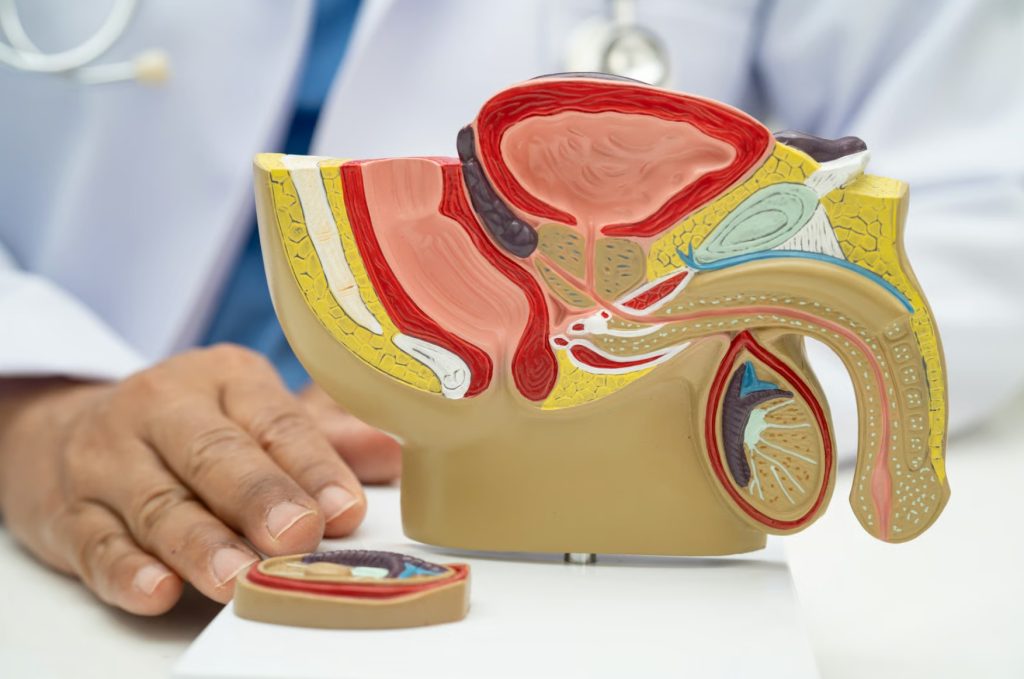
The prostate gland, located below the bladder, commonly enlarges with age, potentially causing urinary symptoms. Additionally, prostate cancer is one of the most common male cancers. Early detection and appropriate management are key to maintaining quality of life.
Generally, screening discussions should begin at age 50 for average-risk men, age 45 for high-risk men (family history or African ancestry), and age 40 for very high-risk men (multiple family members affected). Dr. Maharajh will assess your individual risk factors.
No, most prostate enlargement is benign (BPH) and doesn't increase cancer risk. BPH is extremely common with age, affecting over 50% of men by 60 and 90% by 85. However, both conditions can exist simultaneously, making regular screening important.
Yes, both prostate conditions and their treatments can impact sexual function. BPH itself rarely causes erectile dysfunction but can affect ejaculation. Some medications may reduce libido. Dr. Maharajh will discuss potential effects and alternatives to minimise impact on sexual health.
Not always. Many men manage well with medications. Surgery is considered when medications fail, symptoms significantly impact quality of life, or complications develop (like retention or bladder stones). Modern surgical options are minimally invasive with good outcomes.
PSA is a useful screening tool but isn't perfect. Elevated PSA can result from BPH, infection, or recent ejaculation, not just cancer. Conversely, some prostate cancers have normal PSA. Dr. Maharajh interprets PSA alongside other factors for accurate assessment.